• course Info
  • Content

Beyond Silence: Developing Effective Treatment Plans for Older Children and Teens with Selective Mutism

CE Hours 1

About this course

Selective Mutism (SM) is a social communication anxiety disorder that may persist into adolescence when not effectively addressed in early childhood, often presenting with increased complexity and functional impact. Older children and teens with SM frequently demonstrate the ability to speak in certain settings, yet may struggle with social communication confidence, particularly in initiating, elaborating, and sustaining reciprocal interactions. As social and academic expectations increase, adolescents often experience heightened avoidance, internal distress, over-reliance on others, and difficulty reaching their full functional capacity as independent communicators. This presentation offers a comprehensive, developmentally informed framework for designing individualized treatment plans for eliciting speech and support individuals in becoming confident, independent social communicators. Grounded in clinical expertise and evidence-based practice, and guided by the whole-person, CBT-based Social Communication Anxiety Treatment® (S-CAT®) framework, the session emphasizes the importance of thorough assessment across settings using structured tools and observable data. This process helps determine an individual’s baseline stage of communication and identify contributing factors impacting performance. For many adolescents, the challenge is not an inability to speak, but difficulty accessing speech consistently and independently across environments. A central focus of this presentation is how to design effective, goal-oriented treatment plans that translate intervention into measurable, functional steps. Written goals serve as the foundation for guiding, tracking, and reinforcing progress while promoting consistency, confidence, and independence. Through purposeful and repeated engagement, whether in peer interactions, community-based exposures, school participation, or facilitated small group experiences, individuals build familiarity, reduce avoidance, and strengthen communication pathways. Motivation, a critical and often fluctuating factor in adolescents, is addressed through individualized, meaningful goal setting and reinforcement strategies that foster engagement and ownership of the treatment process. Key strategies highlighted include the use of foundational communication tools such as the Big Five Words to establish entry points for engagement, and the Common Questions process to prepare for predictable interactions. Structured frameworks such as SM Action Plans and Sandwich Questions support individuals in anticipating interactions, organizing responses, and engaging in reciprocal communication while reducing processing demands. Additionally, SM Roadmaps provide visual and strategic guidance for navigating social situations, while interview-style ‘assignments’ offer structured, script-based opportunities to practice initiating and responding across settings. All strategies are individualized and adaptable based on the individual’s stage of communication, allowing for flexible progression toward independent verbal communication. Caregivers play a critical role as partners in treatment, supporting implementation, facilitating opportunities, and reinforcing progress across home, school, and community settings. By the conclusion, participants will have a clear, structured framework for developing individualized treatment plans that emphasize social engagement, motivation, real-world application, independence, caregiver involvement, supporting older children and teens with Selective Mutism in reaching their full communicative potential.
Learning Objectives

  • Design individualized, goal-oriented treatment plans that promote initiation, elaboration, and reciprocal communication within real world settings.
  • Apply strategies to increase motivation, engagement, and independence in adolescents with Selective Mutism.
  • Integrate caregiver involvement into treatment planning by training parents and caregivers to facilitate opportunities, support strategy use, and reinforce communication across environments.

Learning Levels

  • All Levels

Course Instructor(s)

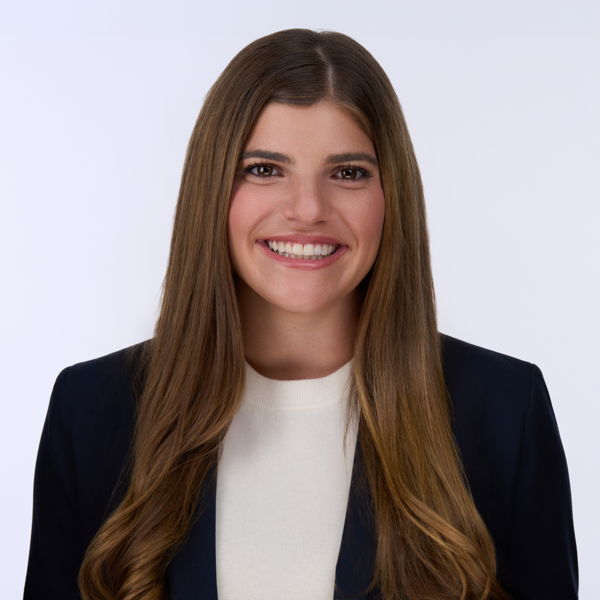
  • Elisa Shipon-Blum

    Dr. Elisa Shipon-Blum (“Dr. E”) is the President and Director of the Selective Mutism Anxiety & Related Disorders and Treatment Center (SMart Center) located in Philadelphia, Pennsylvania. She is the founder of the intensive group treatment program, CommuniCamp™. She is President of the Selective Mutism Research Institute (SMRI), which is a foundation started to study her theories and treatment methodologies on Selective Mutism. Dr. E is the Founder & Director Emeritus of the Selective Mutism Association (SMA).

    Dr. Shipon-Blum has developed the evidenced-based therapy, Social Communication Anxiety Treatment® or (S-CAT)® from her years evaluating, treating & researching individuals with Selective Mutism.

    Dr. Shipon-Blum has her own podcast, Unspoken Words, where she shares her 30+ years of experience. In addition, Dr E has written numerous articles, books, webinars on Selective Mutism. Vist our resource page.

    Dr. Shipon-Blum has treated countless children from around the world, lectures throughout the country on the topic of Selective Mutism, performs school evaluations and trainings for treating professionals, educators & parents and is considered one of the world’s leading experts in the treatment and understanding of Selective Mutism.

    Dr. E has been a featured expert within the media. She has appeared in national television shows such as 20/20, CNN, Inside Edition, Good Morning America as well as other local/national and international TV and Radio broadcasts. She has been featured in TIME Magazine, People Magazine and has interviewed with newspapers such as the New York Times, Chicago Tribune, Boston Globe, San Diego Tribune, Philadelphia Inquirer, Palm Beach Post and other media publications throughout the world.

    Dr. Shipon-Blum prides herself on being “down to earth.” She resides with her family in the suburbs of Philadelphia, Pennsylvania.

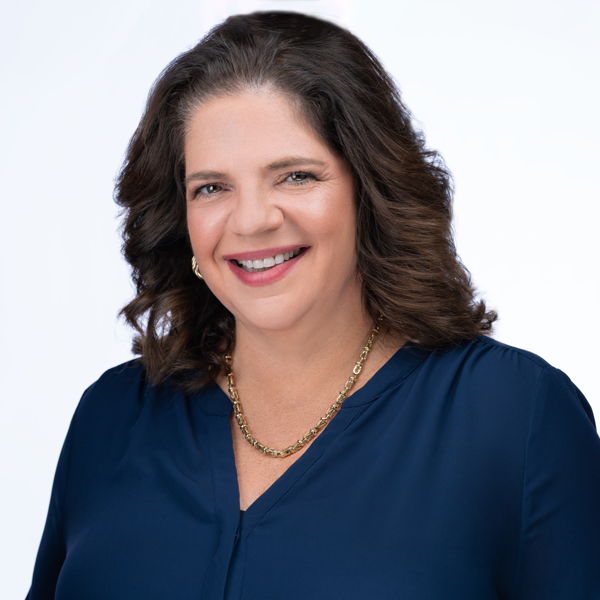
  • Jenna Blum, Psy.D.

    Dr. Jenna Blum is a licensed psychologist who provides evidence-based assessment and treatment to children, adolescents, and adults. She received her Doctor of Psychology (Psy.D.) from Chestnut Hill College and specialized in Family and Couple Therapy.

    Dr. Blum holds multiple leadership roles at the SMart Center, serving as a Lead Clinical Psychologist, Director of Counseling and Assessments (C&A), Supervisor, and Director of CommuniCamp™ Counselors. She has extensive experience working with individuals across the lifespan presenting with a wide range of concerns, including selective mutism, anxiety, depression, autism spectrum disorder, trauma, learning challenges, and more. She also has co-facilitated therapeutic groups for children and adolescents.

    Dr. Blum specializes in comprehensive psychological evaluations, including the administration and interpretation of various measures. Dr. Blum is certified in the Autism Diagnostic Observation Schedule, Second Edition (ADOS-2), Trauma Recovery Empowerment Model (TREM), and has specialized training in Parent-Child Interaction Therapy (PCIT). Her clinical approach is grounded in psychodynamic and family systems frameworks while integrating Cognitive Behavioral Therapy and Motivational Interviewing to provide individualized care.

    Dr. Blum has particular expertise in Selective Mutism and related anxiety and social communication disorders, conducting in-depth evaluations that integrate caregiver input and clinical observations to generate clear, actionable recommendations. She serves as a trusted consultant to schools, educators, and multidisciplinary teams, supporting the implementation of effective, school-based interventions and accommodations.

    In addition to her clinical work, Dr. Blum provides professional training and consultation to clinicians and organizations and plays a key role in overseeing clinical services to ensure high-quality, individualized care. She supervises doctoral trainees and consultants, leads training initiatives, and supports case conceptualization and treatment planning. Dr. Blum also presents multiple times per year as part of CommuniCamp™ parent training, providing education and guidance to caregivers. She is actively involved in intake and care coordination, develops comprehensive reports for families and schools, and collaborates closely with caregivers to promote meaningful progress across settings.

References

  • Hipolito, G., Pagnamenta, E., Stacey, H., Wright, E., Joffe, V., Murayama, K., & Creswell, C. (2023). A systematic review and meta‐analysis of nonpharmacological interventions for children and adolescents with selective mutism. JCPP advances, 3(3), e12166.
  • Klein, E. R., Armstrong, S. L., Skira, K., & Gordon, J. (2017). Social Communication Anxiety Treatment (S-CAT) for children and families with selective mutism: A pilot study. Clinical Child Psychology and Psychiatry, 22(1), 90-108.
  • Kleinheinrich, J., et al. (2025). Diagnosing selective mutism: A critical review of measures for clinical practice and research. European Child & Adolescent Psychiatry, 32(10), 1821–1839.
  • de Jong, R., van der Voort, A., Aben, W., & de Jonge, M. V. (2026). Understanding silence in adolescence and young adulthood: A mixed methods systematic review on selective mutism. European Child & Adolescent Psychiatry. Advance online publication. https://doi.org/10.1007/s00787-025-02951-y
  • Kendall, P. C., Peterman, J. S., Cummings, C. M., & Comer, J. S. (2022). Cognitive behavioral therapy for anxious youth: Evidence base, mechanisms, and future directions. Journal of Clinical Child & Adolescent Psychology, 51(1), 1–17

CE Process Info

Content

  • Presentation
    2 parts
    • Video
    • Handout
Beyond Silence: Developing Effective Treatment Plans for Older Children and Teens with Selective Mutism
You Have Completed This course
Free
You are enrolled
  • CE Hours
    1
  • Type
    Self-Paced
  • Publication Date
    Sep 30th, 2026

Reset password


Reset your password by providing your email below


Next

We sent a reset password link to the email address you provided.


{{reset.email}}


If you do not see the email, try checking your junk or spam folder.


If you don't receive a link in the email you provided, please click the button below to resend the verification email.

Resend

Please wait {{timer}} seconds to resend


Next

Sign in


Enter your email to get started.


Next

Sign in


Good news! Your email is associated with an account. Enter your password or click here to reset it


Login

Thanks for signing up!


We sent an verification email to the address you provided. Please check your email to verify your email address.


{{signup.email}}


If you do not see the email, try checking your junk or spam folder.


If you don't receive a link in the email you provided, please click the button below to resend the verification email.


Resend

Please wait {{timer}} seconds to resend

Sign up


Sign up

Shopping Cart


Items
Price
Remove
  • {{ item.name }} ({{ item.courses.length }} courses)

    {{ item.credit_hours }} Credits
    {{ item.coupons.map((c)=> c.code).join(', ') }} Membership discount (-${{ item.membership_discount.amount }})
    ${{ item.totals.price }}
    ${{ item.totals.total_price }}
Apply


Cart is empty

Thank you for your purchase


To access the course content, click the button below. Enrolled courses may be accessed at any time by going to your Account and clicking Courses


Go to Course

Thank you for your purchase

To access your courses, please click the button below. Enrolled courses may be accessed at any time by going to your Account and clicking either Events or Courses


My Account

Payment

{{$store.state.payment.paymentErrorMessage }}
Pay now